


Iowa is celebrating what's being called the largest steel mill in U.S. history. Minnesota knows the company behind it a lot better. A comparison of Iowa's $15 billion deal with Mesabi Metallics and Minnesota's long, rocky run with the same firm's Iron Range project landed on the university's Twin Cities news roundup this week. It's worth reading if you follow economic development, state incentives or the Range.
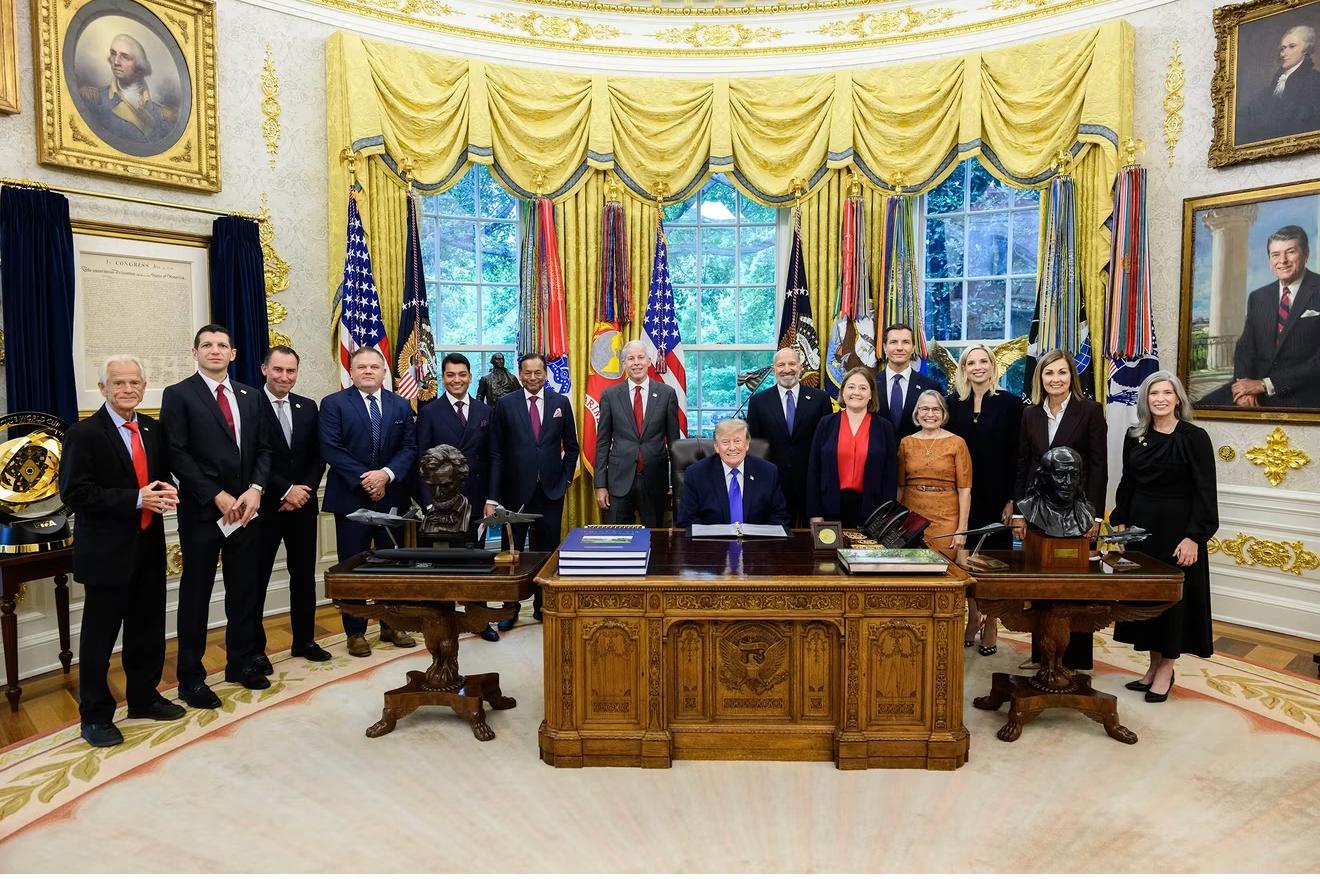
President Trump announced the plan in the Oval Office on Sept. 28. The company said the mill will eventually make 10 million tons of steel a year, starting with 7.5 million tons in the first phase. It promises at least 1,750 permanent jobs in Iowa and 5,000 to 6,000 construction jobs, with steel production starting in 2030. Ore will come from Mesabi's mine on Minnesota's Mesabi Iron Range, where the company is spending $3 billion to finish the operation on top of the $15 billion for Iowa.
Mesabi calls the whole package an $18 billion, fully integrated steel company. The Iowa plant would use direct-reduced iron and electric arc furnaces, fed by what the company calls its "Patriot Pellet" from Nashwauk. Mesabi said the Minnesota mine is building toward 350 full-time workers.
Iowa didn't wait around. In an Oct. 2 special session, the House passed an incentive bill 75-17 and the Senate passed it 28-19, and Gov. Kim Reynolds signed it that evening. The package for the Lee County site comes to $1.36 billion, about $777,000 per permanent job over a decade. Some Republicans balked anyway. State Sen. Dan Dawson called it "the largest corporate giveaway in the state of Iowa's history."
Here's the part Minnesotans remember. The India-based Essar Group broke ground on a $1.65 billion project in Nashwauk in 2008. Essar Steel Minnesota filed for Chapter 11 bankruptcy in 2016, came out in 2017 renamed Mesabi Metallics, and Essar took the company back in 2019. Mesabi has been repaying money it got from the state of Minnesota for the failed earlier effort. As of September it had paid back about $49 million of the $71 million due.
The project now has federal backing too: the Export-Import Bank approved a $770 million loan in September. But as of mid-September, the Nashwauk mine was still described as on the "precipice of production," with no commercial pellets shipped after years of work.
Losing the mill quickly became a campaign issue in Minnesota. Earlier in September, Mesabi CEO Joe Broking told the Itasca County Board that other states "are more competitive" on incentives. Congressman Pete Stauber said the Walz-Flanagan administration should "shoulder all the blame." DFL candidate Trina Swanson countered that the company and the Trump administration put limiting union involvement first. Whichever side you take, the scorecard is the same: Iowa has a signed deal and a 2030 target date, and Minnesota is still waiting on a mine that has been nearly finished for 18 years.