
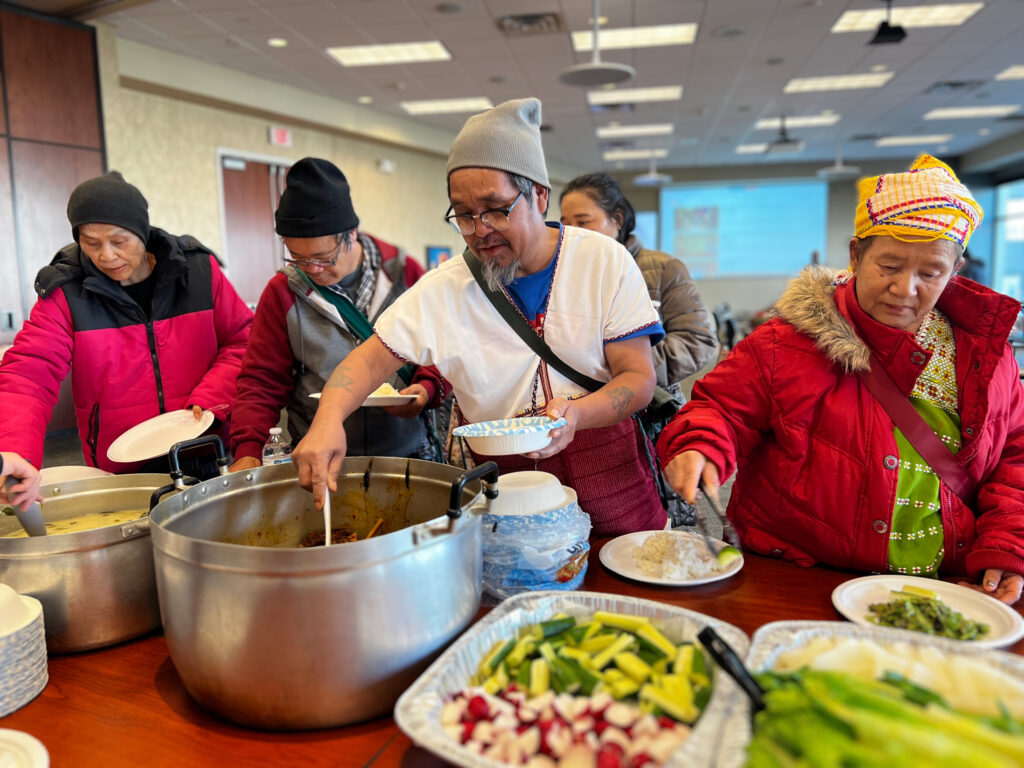


Minnesota has about 20,000 Karen residents, and most of them live in the Twin Cities, mainly St. Paul. Karen families started arriving in the early 2000s from refugee camps in Thailand, where they had fled Myanmar's military regime. A few years ago, community leaders started noticing that a growing number of their teenagers were hooked on opioids. Now some of those same leaders say the trend is reversing.
"Compared to two, three, four years ago, we've seen a reduced percentage of youth in our community going through opioid addiction," said Kaziah Josiah, co-director of The Urban Village. The St. Paul nonprofit was founded in 2019 and works with Karen and Karenni youth. Several nights a week it runs tutoring, social-emotional skill-building and outdoor trips that include hiking, rock-climbing and snow-tubing. "It is the consistency of someone checking in on these kids, of them knowing that we care," said Carly Roepke, the group's director of operations.
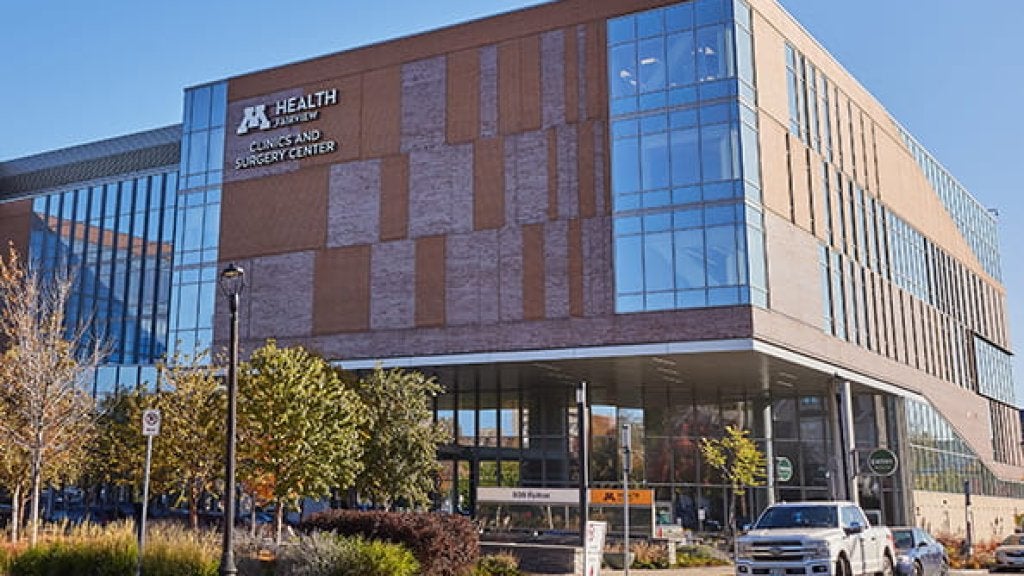
On the medical side, the Fairview Roselawn Clinic in a St. Paul strip mall runs a drop-in program that gets patients buprenorphine, a prescription drug that suppresses opioid cravings. The clinic started it in 2020, when staff kept hearing that opioid addiction was rising among young people. Case managers from the Karen Organization of Minnesota referred teens and drove them to appointments. "It was a good launching pad for getting kids the things that they needed," said Katie Parker, an addiction medicine specialist at the clinic. "We've noticed our numbers dropping." Lah Pwee, the clinic's Karen cultural broker, helps families with health insurance and has also seen fewer referrals of young Karen patients with opioid use disorder.
Some of that work has state money behind it. The Minnesota Department of Human Services awarded the Karen Organization of Minnesota $857,000 to lead a partnership with U of M Physicians, St. Paul Public Schools, Fairview clinics and The Urban Village. The goal is a culturally responsive continuum of care for Karen and Karenni youth with opioid dependence in Ramsey County. The plan covers case management for youth and families, overdose prevention, access to medications for opioid use disorder, and culturally specific mentorship and aftercare groups. It was part of $20 million the department distributed to 28 organizations.
Culture is the other half of the approach. At Washington Technology Magnet School on the East Side, the Amherst H. Wilder Foundation runs ThayGeMoo ("The Living Root"), a mental health program for grades 6-12 built around Karen cultural practices. Participants reported better behavior, better social-emotional well-being and changed views about mental health. At the East Side Freedom Library, Karen women elders teach traditional weaving to young people at weekly Weaving Circle gatherings. Among other services, the Karen Organization of Minnesota runs a Karen Chemical Dependency Program through its community health work.
The progress could easily slip. During Metro Surge, the winter 2026 immigration enforcement operation, families went into hiding, students moved to online classes and programs were disrupted. Staff later got participants back for summer programming. The Minnesota Department of Health also doesn't have detailed opioid data for Karen and Karenni residents specifically. "The community is working like crazy to fill in where the system has failed," said Jennifer McCleary, a research manager at Wilder.