
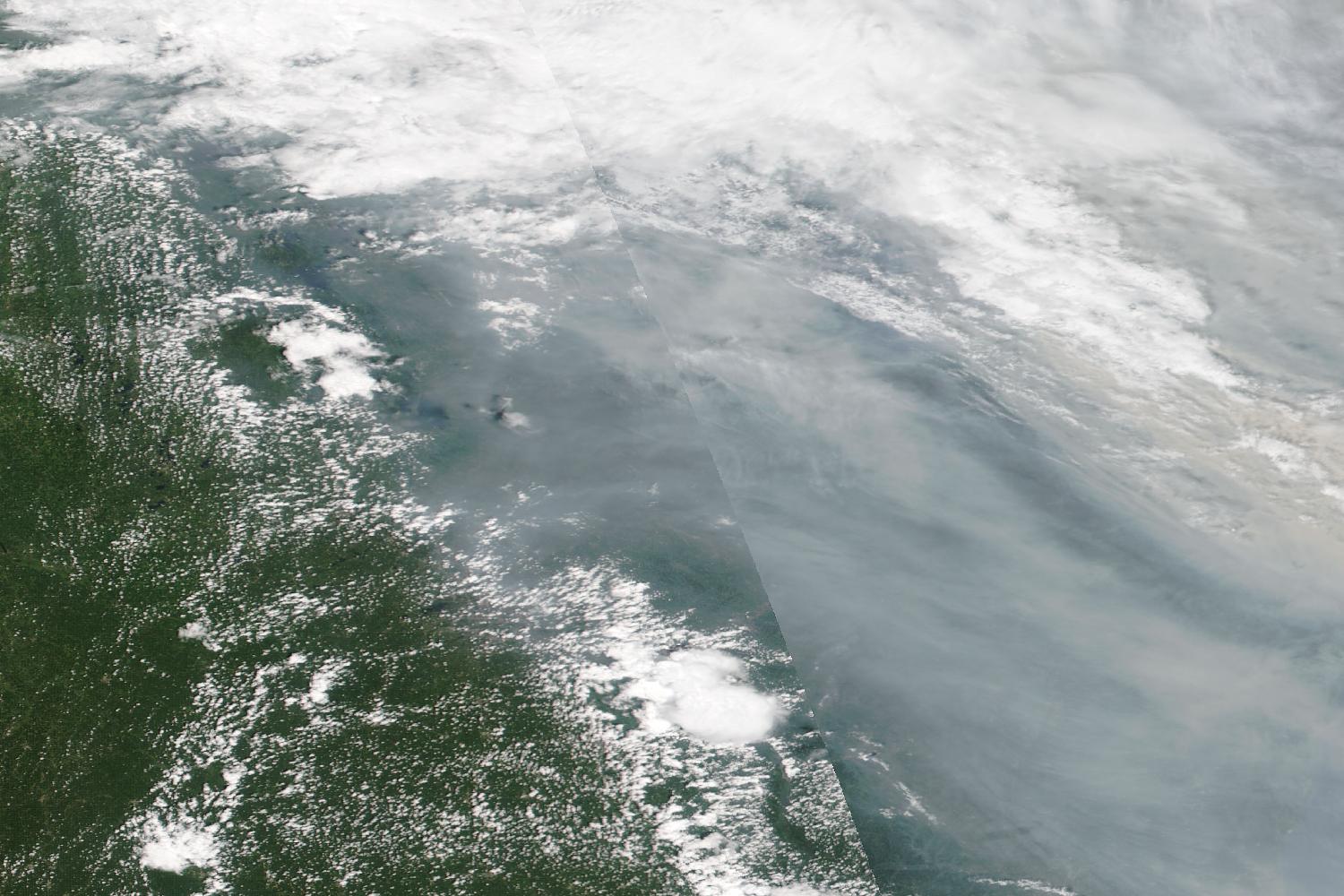


Half of Minnesota, including the Twin Cities, was placed under an air quality alert in mid-July as wildfire smoke from fires burning in and near the Boundary Waters combined with a heat wave. The alert covered the metro down into the southern part of the state, with officials warning that conditions could turn hazardous for everyone, not just people with asthma, pregnancy, or other sensitivities.
The fires driving the smoke ignited in northern Minnesota's forests on July 7 and had burned more than 50,000 acres with little containment by July 16, according to state fire tracking. That same day, the Twin Cities metro recorded its first-ever 'hazardous' air quality designation on the maroon tier of the index, with monitoring stations in St. Michael, Minneapolis and Blaine all setting new local records for fine-particulate pollution.
Health officials pointed people to AirNow.gov to track real-time conditions rather than rely on how the sky looks, since smoke can be thick enough to see or invisible enough to miss depending on particle size.
By late July, with alerts still cycling in and out across the state, the question shifted to whether it's safe to keep training or working out outside at all. Experts told the Star Tribune that light activity is generally fine at moderate air quality levels, but that anyone exercising outdoors during smoke should watch for coughing, chest tightness or unusual fatigue and move indoors or dial back intensity if symptoms show up, since exertion pulls more polluted air deeper into the lungs.
A Star Tribune columnist argued the recurring smoke events shouldn't be treated as a one-off, warning that repeated hazardous-air summers driven by a warming, drier climate risk becoming the new normal for Minnesota unless the underlying wildfire trends are addressed.