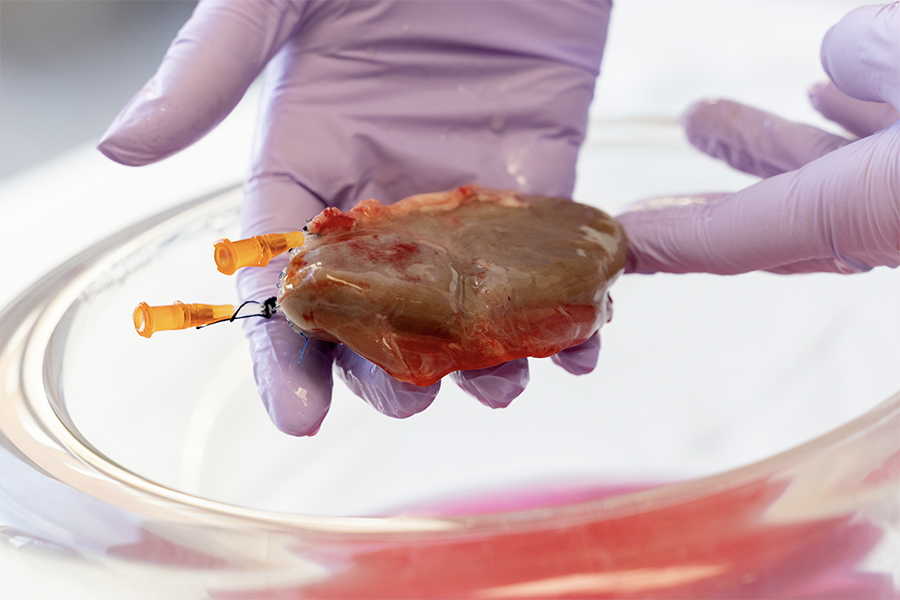


The University of Minnesota announced in a July 1 research brief that its researchers have created what they're calling the world's first-ever synthetic cell.
The cell, dubbed SpudCell, is described as the first artificial cell able to feed itself, grow and carry out a complete life cycle — functions previously seen only in living cells. Per the university, SpudCell is built entirely from non-living chemical components rather than parts harvested from existing organisms.
That distinction matters in synthetic biology: rather than modifying an existing cell's genome, researchers are assembling something that behaves like life from scratch. The university's announcement frames SpudCell as a milestone for the field, though further details on the research team and methodology have not yet been published beyond the July 1 brief.
This is the first public account of the project. Check back as more details on the researchers behind SpudCell and what comes next for the project become available.