



If your July felt like one long string of heat alerts on your phone, it wasn't your imagination. NWS Twin Cities/Chanhassen issued a rapid succession of Extreme Heat Warnings for the campus area, first from July 14 through 9 p.m. July 16, then extended again through 9 p.m. July 17 as the warning kept getting re-upped with each new forecast update.
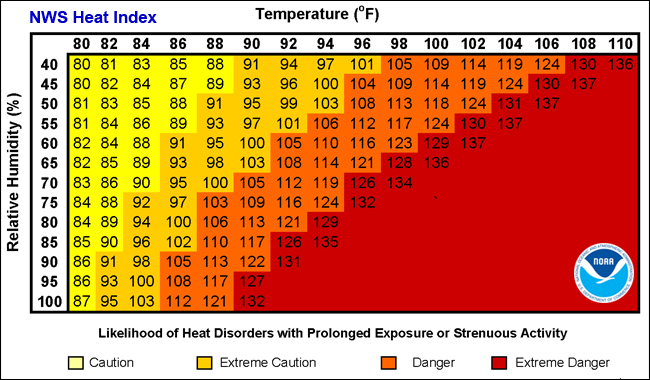
That first wave brought highs in the 90s and heat index values near 100 degrees Tuesday through Thursday, according to weather officials, with only slight relief over the weekend as highs eased into the upper 80s and low 90s. It wasn't an isolated problem: an air quality alert ran alongside the heat through that Friday morning, as heavy smoke from wildfires in northeastern Minnesota drifted across the northern, central and southeastern parts of the state, and the National Guard was mobilized to help with those fires.
Then it happened again. NWS upgraded an Extreme Heat Watch to a full Extreme Heat Warning for the campus area starting July 24, running in stages all the way through 9 p.m. today, July 26. Forecasters said the seven-county Twin Cities metro — which includes Hennepin County, home to the Twin Cities campus — could see heat index values top 100 degrees Saturday and climb to 105 to 110 on Sunday, with overnight lows stuck in the 70s offering little recovery time.
For anyone still on campus this summer — researchers running labs, students in summer session, staff keeping buildings running — an Extreme Heat Warning is the top tier of NWS heat alerts, meaning dangerously hot conditions are imminent or already happening. The university's own occupational health guidance calls for scheduling strenuous outdoor work during the coolest parts of the day, taking regular breaks in shade or air conditioning, and staying ahead of dehydration rather than waiting to feel thirsty. Children, older adults, pregnant people and anyone with certain medical conditions face the highest risk without adequate cooling.
With late July still delivering triple-digit heat indexes, don't assume the alerts are done for the summer. Check weather.gov/mpx directly for the latest active warnings before heading outside for anything strenuous.