
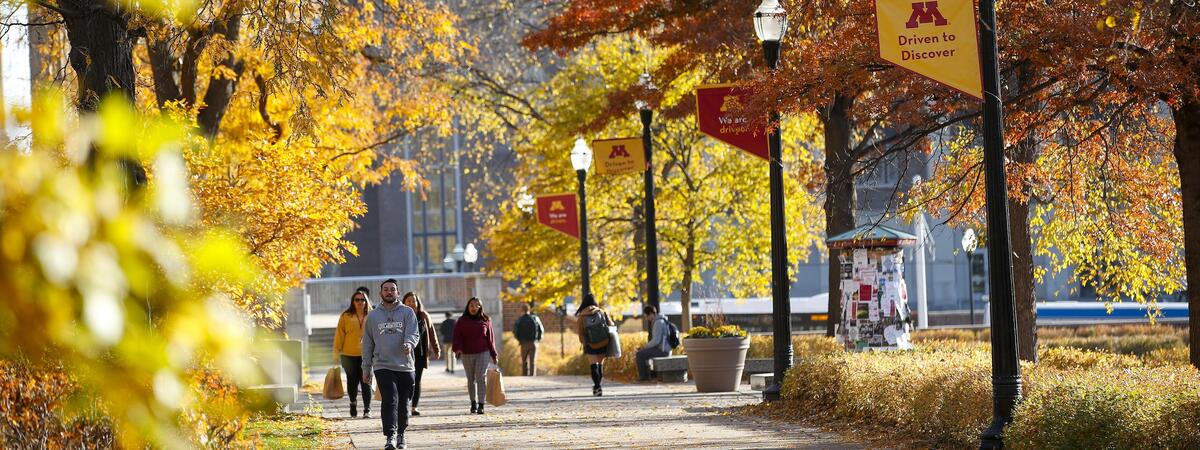


Thousands of University of Minnesota students opened their financial aid packages this year and found less State Grant money than they expected, or none at all. The cause is a $131 million shortfall in the Minnesota State Grant program. With the governor's race 2 weeks out, neither leading candidate, Amy Klobuchar or Lisa Demuth, has laid out a plan to restore it.
The numbers are steep. University students saw their State Grant aid drop by an average of 30%. The program's average award is $3,406 a year, so a 30% cut works out to roughly $1,000 for a typical recipient. Statewide, about 18,000 students are expected to lose their State Grant completely, according to estimates from the Minnesota Private College Council.
"For many students, this came out of nowhere, leading to panic and questions," said Robert Granquist, director for student affairs in the Undergraduate Student Government. "Many students needed to get a second or third job to keep up." Eleanor Alexander, a third-year student, said, "It makes the students feel left behind."
The gap goes back to the spring legislative session. The House budget left the shortfall out entirely. The Senate proposed $52 million in one-time money, but that was dropped from the final budget deal. The governor's office pointed to other demands, including making up for Trump administration cuts, health care, infrastructure and what it called "the affordability crisis." Lawmakers also cited a projected $6 billion state budget deficit and put more of their attention on fraud prevention than on education spending. Demand keeps rising: enrollment has grown about 6% a year since 2024, and changes to the FAFSA formula have shown more students qualify for need-based aid.
One part of the fight hits the Twin Cities campus directly. State Grant maximum awards are currently tied to Twin Cities tuition. A proposal that failed this year would have tied them to average public university tuition instead. University leadership opposed it, arguing it could cut grants for Twin Cities students by thousands of dollars.
Neither candidate's platform deals with the State Grant. Klobuchar's main higher-ed proposal is a Skilled Workers and Trades Fund, which would help students in health care, education and emergency services graduate debt-free. That covers some students, but it doesn't restore the grant for everyone else. Demuth wants Minnesota to opt into a new $1,700 federal tax credit for scholarships at public, charter and private schools, and that credit doesn't apply to college students. Neither campaign answered a request for comment.
Election Day is Nov. 3, and Minnesotans can still register at their polling place that day. Whoever wins will inherit a program that has now gone underfunded for several years in a row, plus a campus full of students who have already started picking up extra shifts to cover the gap.