


Forestry may be one of the oldest applied sciences on campus, but the Department of Forest Resources says it isn't staying put. The university says that in its Forest and Natural Resource Management (FNRM) major, environments and conditions keep shifting, "often affected by climate change," so "the science is dynamic." The program is responding with a heavy dose of field time and 3 tracks that reach well past the timber stand.
"Forestry is an excellent profession to test new things because it's inherently adaptive," said Linda Nagel, who heads the Department of Forest Resources and is serving as interim dean of CFANS.
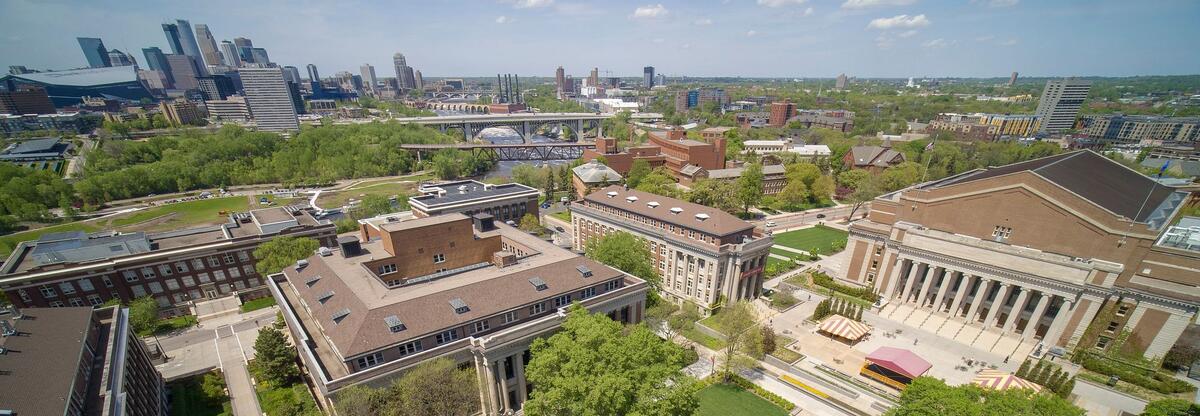
Per the university, FNRM is the only fully accredited 4-year forestry program in Minnesota, and it's unusual for being based in a city. Students choose 1 of 3 paths: Forest Ecosystem Management & Conservation, Park & Protected Area Management, or Urban & Community Forestry. That last one is a reminder that a lot of Minnesota's trees grow along boulevards, not in the Superior National Forest.
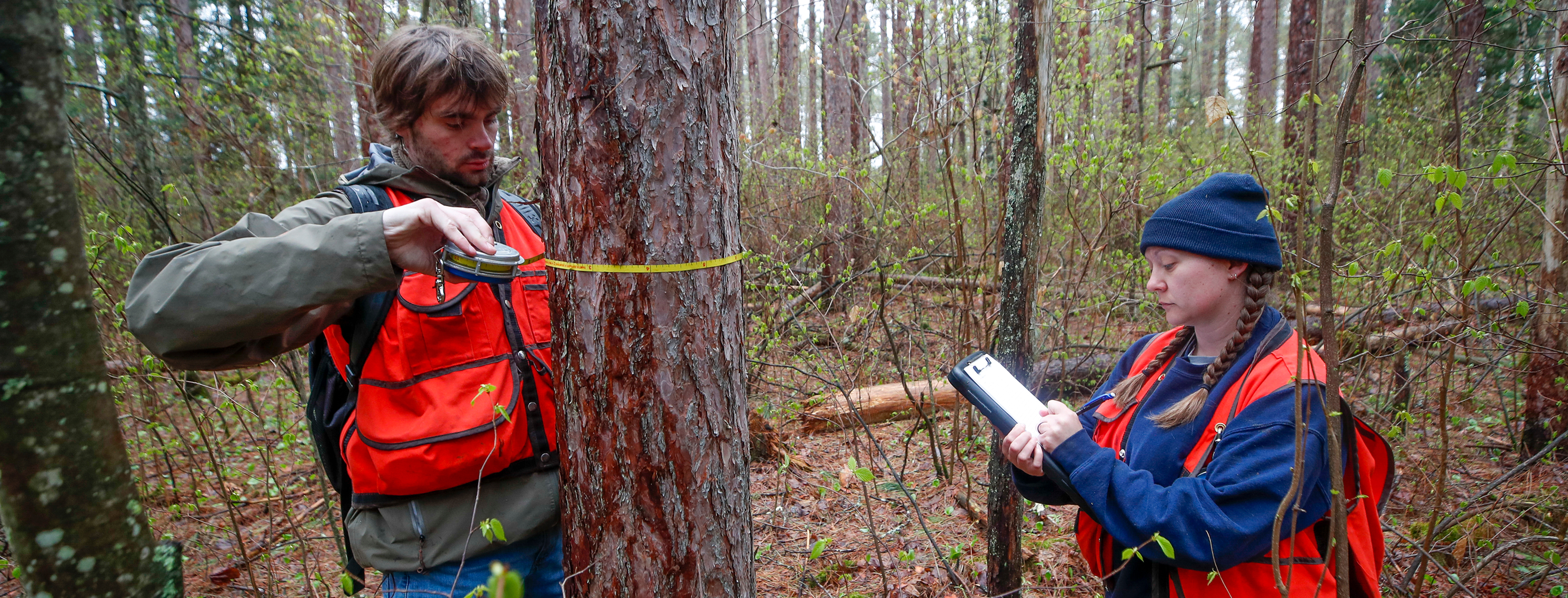
The classroom is only half the story. Most classes have some kind of field component, and some run longer sessions at the Cloquet Forestry Center or the Hubachek Wilderness Research Center. "There are some aspects that benefit from lectures, but many pieces come alive when we're outside, doing field trips," said Marcella Windmuller-Campione, an associate professor and the program's undergraduate director.
On its own site, the department lists 3 field experiences: an introductory Cloquet field session, an advanced Cloquet field session, and Park and Protected Area Management field studies in the Boundary Waters Canoe Area Wilderness.
AJ Jensen transferred from Normandale Community College and took the introductory Cloquet course their first summer, which the program recommends for transfer students. "That course definitely solidified that I was in the right place," Jensen said. "There's nothing like learning outside. It's inherently tactile."
Jensen's résumé shows how much a student can pack in. They're certified as a Basic Wildland Firefighter and as a tree inspector through the Urban Forestry Outreach and Research Lab, and they serve as Forestry Club treasurer and Tree Ascension Club vice president. "Because I was so excited to be here, I just started showing up to everything and asking people questions," Jensen said. Climbing trees has them thinking about arborist work, but their current goal is a state job: "Right now, my career dream is to be a forest health specialist for the state, because I'm really interested in forest pathology."
There's plenty of room to land. The university points to the Society of American Foresters' College Guide, which lists more than 60 career paths, from forest economist and park ranger to extension agent, wood products engineer, soil scientist and smokejumper. Minnesota has 18 million acres of forest land, so graduates can work anywhere from a downtown urban canopy to the Superior National Forest, the Boundary Waters or the Minnesota DNR.