
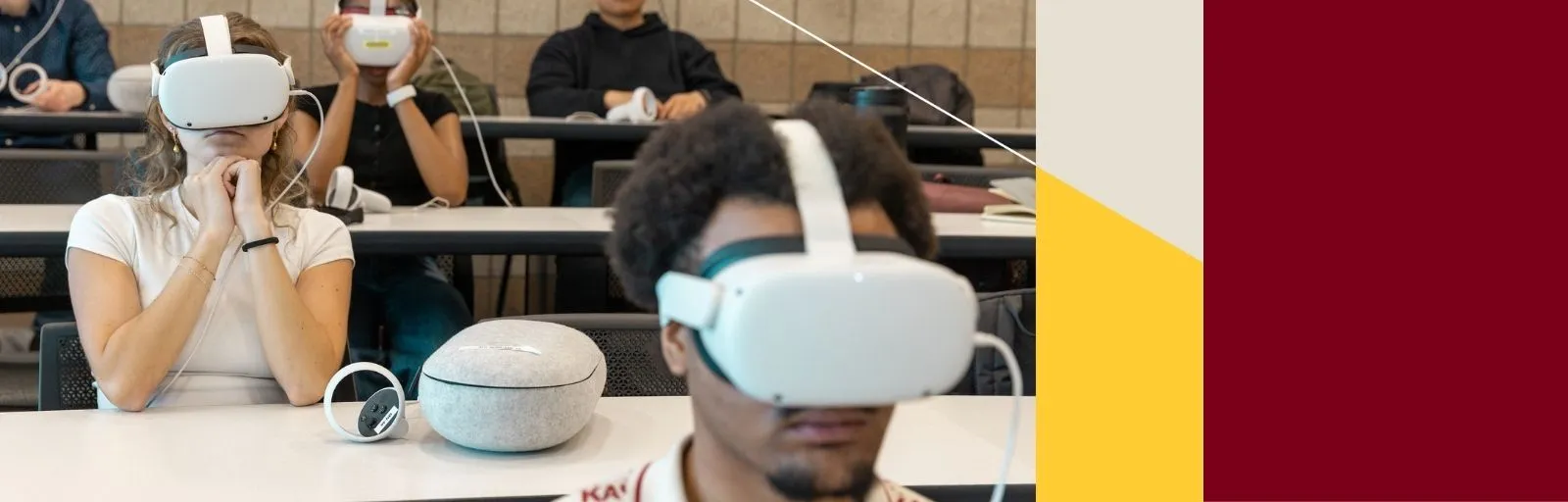

University of Minnesota students are studying Greece's waste management transformation this year not from a textbook, but through a VR headset that drops them onto the island of Tilos. The Carlson School's Supply Chain Planning and Control course, taught by Associate Professor Necati Ertekin, built the case study around real work on the small Aegean island, where the company Polygreen eliminated landfilling and pushed the recycling rate to nearly 90% within two years.
The VR experience was developed by INSEAD Immersive Learning, with AVRIS providing the underlying technology, and it's built on research Ertekin conducted on Tilos in 2024. Students can turn their heads to see the island's residents and interact with AI-driven avatars through a companion platform called LearnAI, part of what the Carlson School says is the first VR case study used in one of its classrooms. The university's Libraries, through its virtual reality services, helped get the headsets and software running for the course.
Amayramy Ruiz Barrios, a junior double-majoring in accounting and supply chain and operations management, said the headset made the case study feel real in a way slides can't. "Actually seeing the people when you turn around using the VR, you feel like you're literally standing right there," she said. Fellow junior Jeffrey Linzy and marketing junior MaKenna Butzin also worked through the module.
Tilos became Greece's first zero-waste-certified municipality after residents ditched public trash bins for door-to-door sorting of compost, recyclables and everything else. That real-world case is what gives the VR module its stakes: students aren't just watching a demo, they're working through the actual logistics problem a small island government solved.
For a school where not every student can afford or arrange a semester abroad, Ertekin's course offers a workaround: the supply chain lessons of a Greek island's recycling overhaul, without the plane ticket.