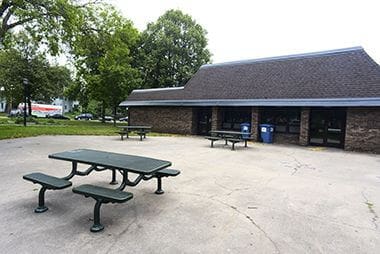


A July heat wave sent the Salvation Army's Payne Avenue cooling center in St. Paul from its usual 60 to 80 visitors a week to more than 100 people a day, Major Lisa Spicer said. "To come into an air-conditioned building ... can mean the world," she said.
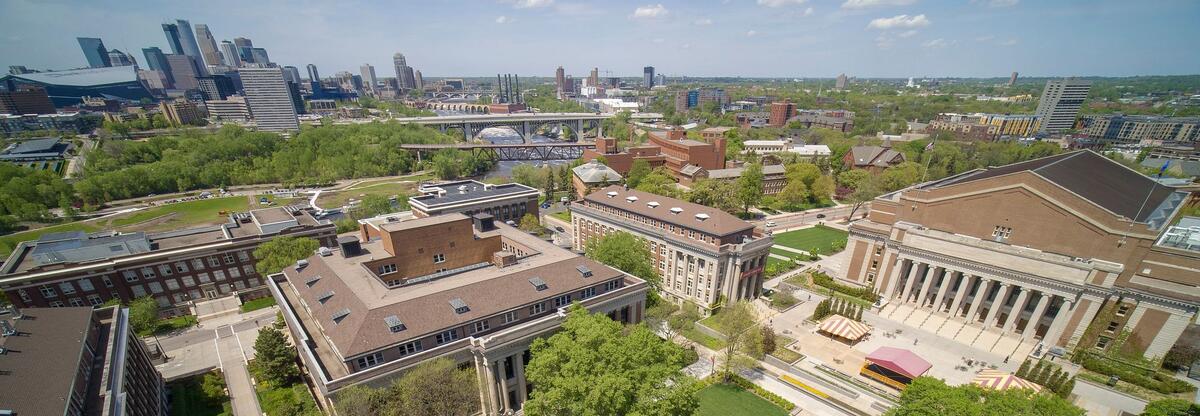
The surge is a symptom of what University of Minnesota Climate Adaptation Partnership research scientist Stefan Liess studies: the urban heat island effect. Streets, buildings and parking lots trap and re-radiate heat, and the Twin Cities metro runs about 2 to 3 degrees Fahrenheit warmer than surrounding areas in summer, according to the partnership.
"Just standing outside for five minutes can really ... have an abnormal effect," Carroll said. Minneapolis Sustainability Program Manager Jayda Pounds said the hardest-hit neighborhoods share a pattern: proximity to industrial sites, fewer trees and a history of underinvestment in green infrastructure.
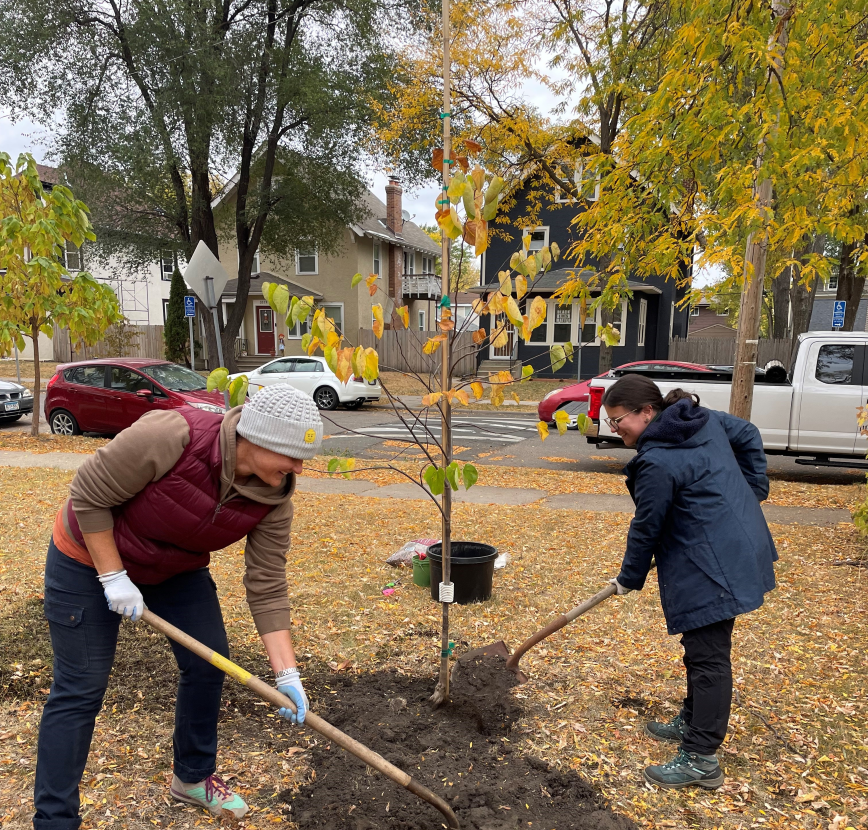
St. Paul adopted its Climate Action and Resilience Plan in May 2026, which targets planting 4,000 trees a year in the most heat-vulnerable areas, alongside expanded cooling centers and efforts to capture industrial waste heat.
Minneapolis has run its own version since 2017 through the Northside and Southside Green Zones, which offer free trees and grant funding for sustainability projects in neighborhoods with the thinnest canopy. Nearly 26,000 trees have gone into the ground on private property citywide since the broader City Trees program launched in 2006, and about 375 of those went to Green Zone residents at no cost.
None of it reverses the underlying math fast: a newly planted sapling takes years to cast real shade. But researchers and city officials are betting that a denser canopy is one of the few heat fixes that keeps paying off, block by block, long after any one heat wave passes.