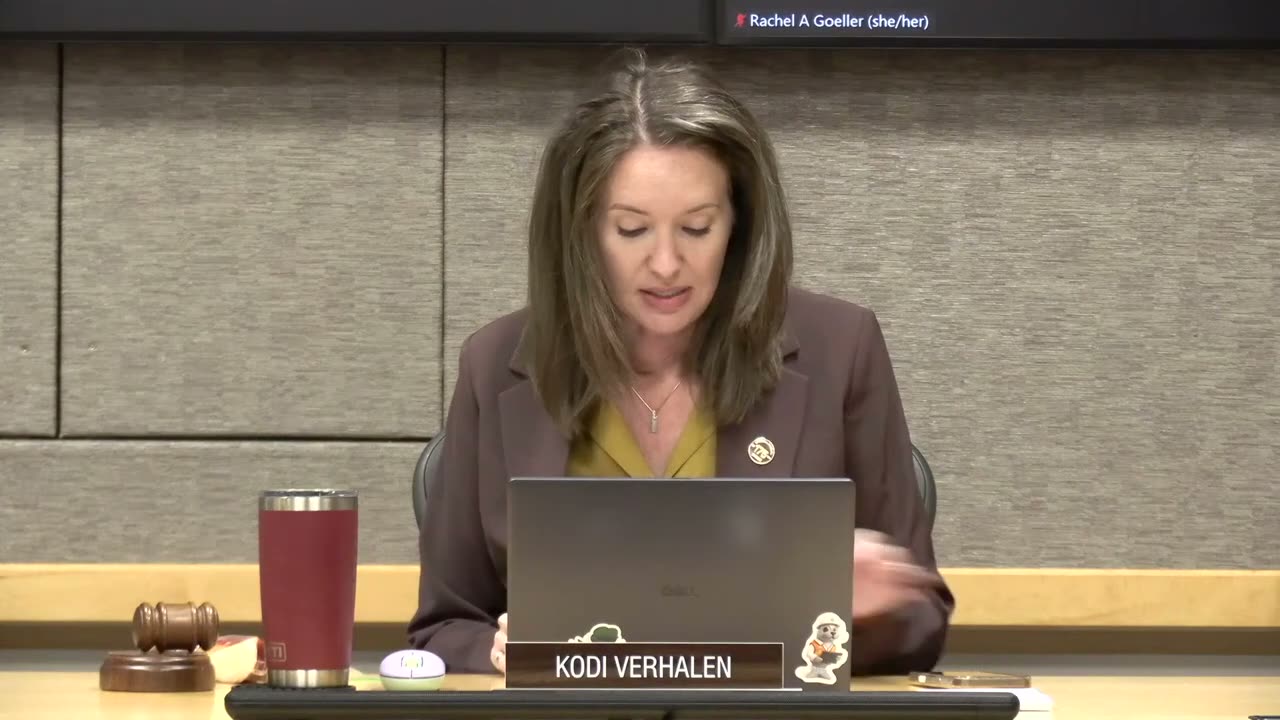
The committee's 2026-27 work plan anticipates revisions to policies on namings and renamings, on awards, honors and recognitions, and on charitable gift acceptance. It also schedules updates on the Minnesota Data Practices Act and professional services agreements, plus the biennial full review of the policy review process.
Following this: Regents weigh ending the automatic 75-year review of honorary building names
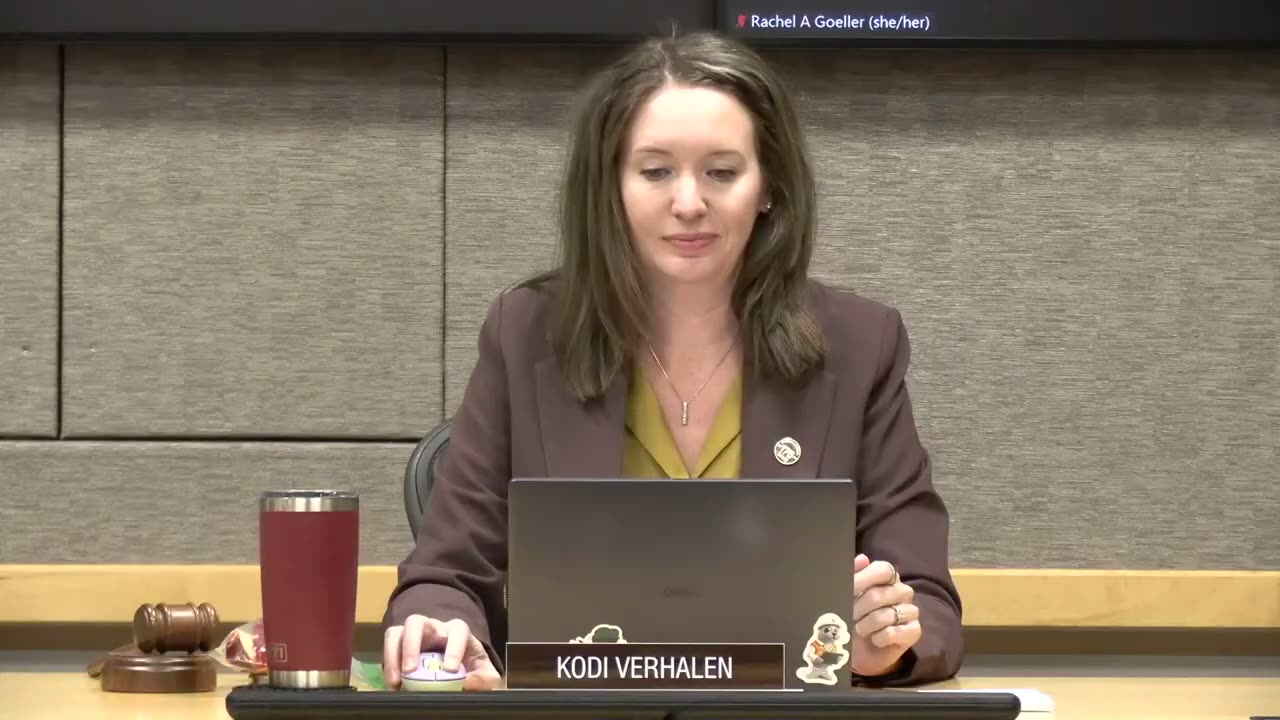
The committee reviewed proposed amendments to the Board of Regents policy on namings and renamings that would remove the automatic review of honorary names once they reach 75 years. They would also require the All-University Honors Committee to be consulted, without a vote, when an honorary name may be replaced by a philanthropic one. University Senate leaders said the honors committee unanimously backed the changes in the spring. They said the committee meets only four times a year and lacks historians' expertise, and that it could not finish reviewing even one of four buildings flagged in the first year. No vote was taken; the amendments are tentatively scheduled to return for review and action in December.
Following this: Regents weigh ending the automatic 75-year review of honorary building names
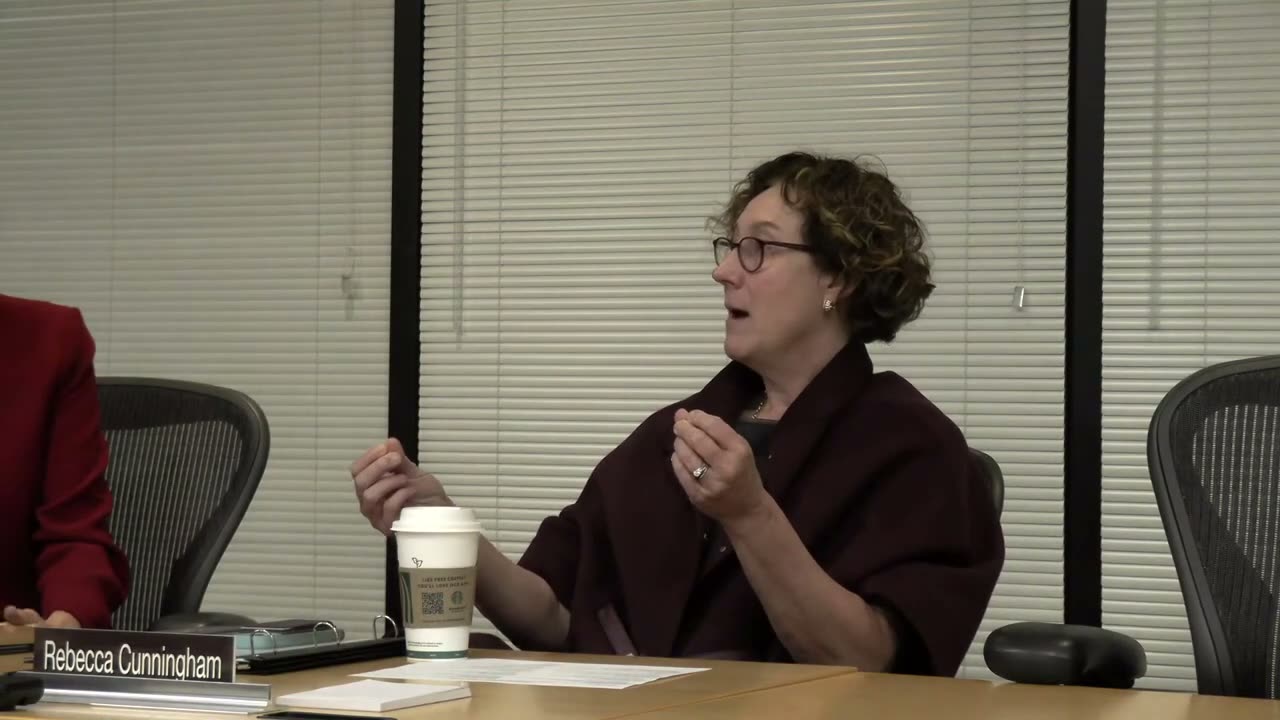
President Rebecca Cunningham called the 75-year review well-intentioned but impractical, saying there are too many buildings and too much controversy over each to move any forward. She said the university needs more philanthropic namings, and that the new process can honor families with past honorary names while making way for donors. Staff noted the remaining policy still lets the board, the president, or a well-reasoned outside request trigger a renaming review. A regent who helped write the 2020-era changes asked how the university could still identify problematic names proactively without the automatic trigger.
Following this: Regents weigh ending the automatic 75-year review of honorary building names
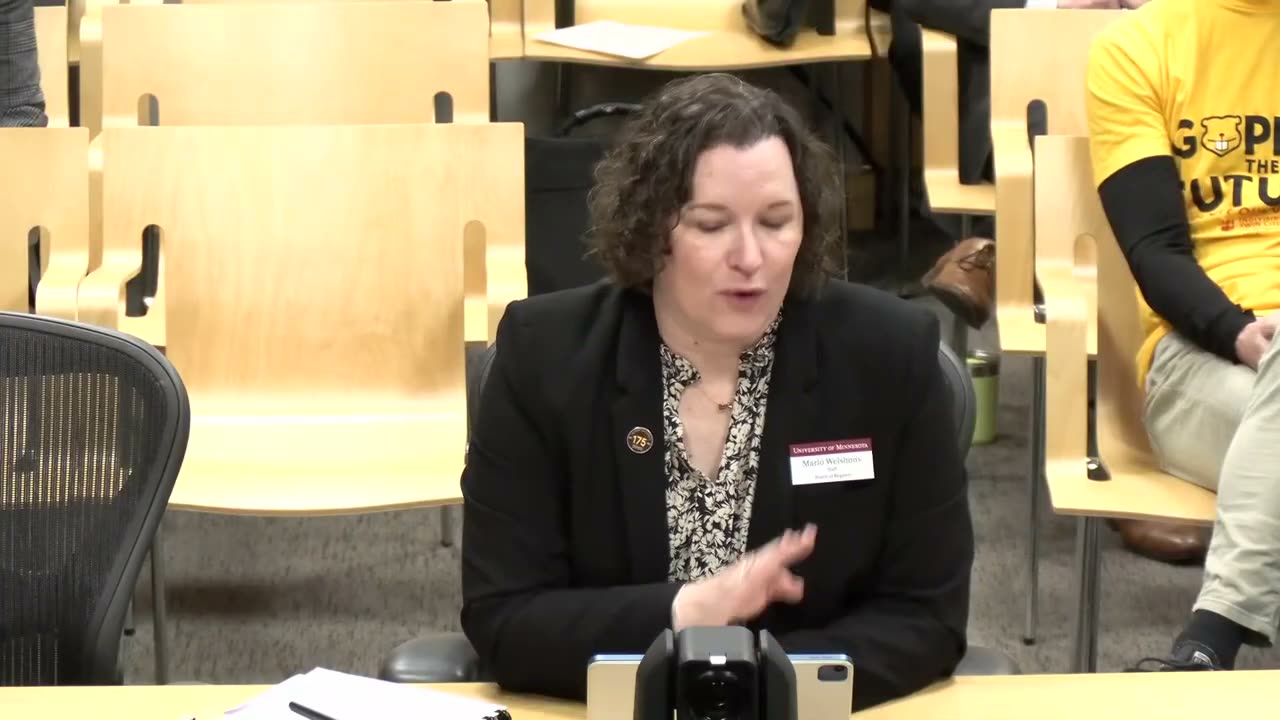
The committee offered input on the criteria the Regent Candidate Advisory Council uses to screen candidates before the Legislature elects regents. State law requires the council to consult current and former regents. Regents named commitment to the university's mission, understanding of fiduciary duty to the whole institution rather than a single constituency, change-management experience, and time for the role. Council members did not attend. The committee's feedback and the meeting recording will be shared with the council later this month.
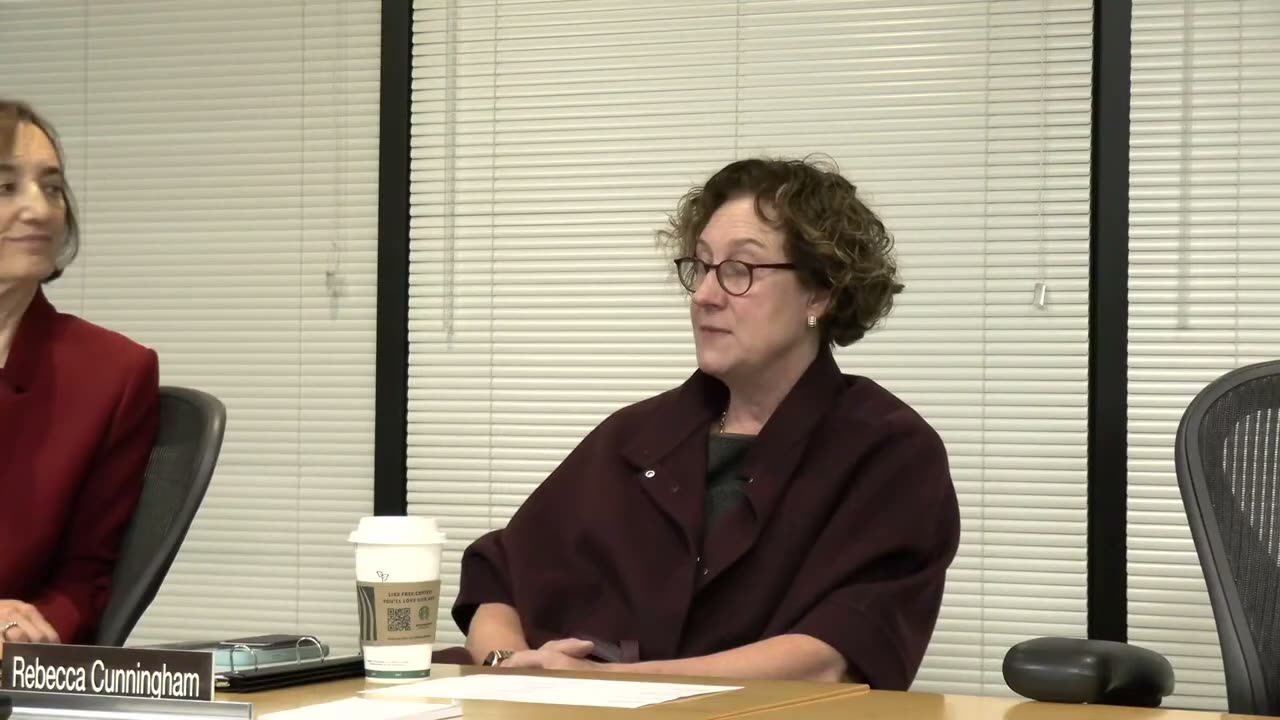
Cunningham and several regents warned that rapid or wholesale turnover of the 12-member board is unhealthy for a $5 billion, five-campus institution. They noted the longest-serving current members have served only about five and a half years and that some second-term candidates were not returned last cycle. One regent said that in a worst case as many as nine of 12 seats could turn over. Another noted four seats are open this cycle and a fifth may open because a sitting regent is running for the state Legislature.
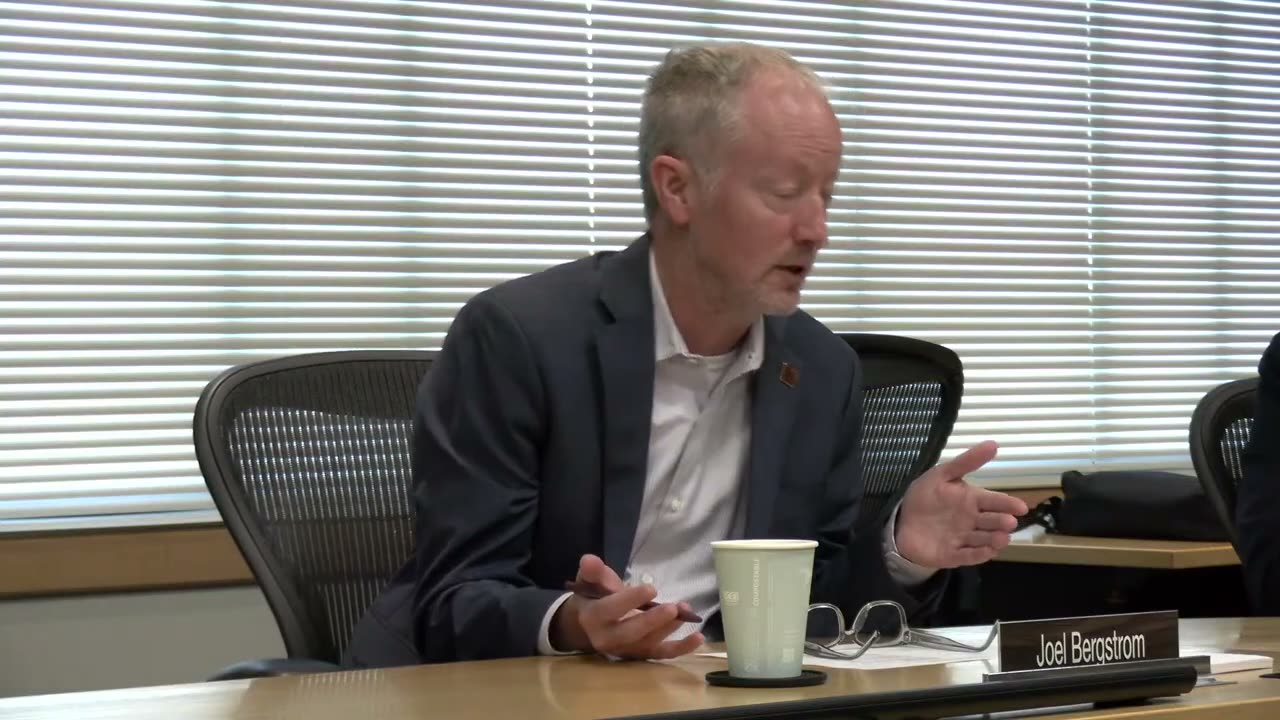
A regent urged the Legislature to seat newly elected regents on a set cycle, such as July 1, so they serve full six-year terms and are not inserted mid-process. Regents recounted members being seated within 24 hours of budget or contract votes, and joining mid-day during a meeting. Cunningham called voting on a budget after only 24 hours fiscally irresponsible. The executive director noted the board has previously formally endorsed a transition period for incoming regents, and said that position could be reiterated to the council.
Late October 2026 · Follow-up
The committee's feedback on regent selection criteria, plus input from regents not on the committee, is to be shared with the Regent Candidate Advisory Council later in October, along with the meeting recording.
Dec. 10 · Vote
The committee is tentatively set to act on the namings and renamings amendments, which would end the 75-year limit on honorary building names.
Dec. 10 · Meeting
The committee is set to hear an overview of the Minnesota Government Data Practices Act: how the University handles requests, what they cost, and how many come in.
Feb. 11, 2027 · Meeting
Proposed amendments to the Board's awards and honors policy, and to the policies on accepting charitable gifts (possibly including gift thresholds), are set for review, with action planned in April.
No date yet · Follow-up
The Regent Candidate Advisory Council uses the input for the 2027 regent election cycle; a regent said four seats are open and a fifth may open because a sitting regent is running for the Legislature.
What was asked, what the room said, and what the public record answers. Times are from the captions and approximate.
Asked by Regent Kodi Verhalen (committee chair)
In the room
University Senate Office Director Laurie Cooper-Stoll said the Honors Committee can delegate research to outside firms, as it did with Foundation due-diligence reports for the Weaver renaming, and that it discusses proactive ways to solicit names. Professor Tim Johnson said the committee meets four times a year and couldn't get through one of the four buildings due for review in his first year. A Board Office staff member said Section VII still lets the Board ask the president for a review, lets the president act on her own, or lets a well-reasoned request come in. President Cunningham called the 75-year review well-intentioned but not practical.
What the record says
Under the draft policy in the docket, the president "shall consider" a renaming or revocation at the Board's request, and may consider one on a well-considered written request or on her own initiative. Anonymous proposals aren't considered, and each request covers one asset. The amendments remove the 75-year limit and the retention process, and require the president to consult the Honors Committee before converting an honorary naming to a gift naming. The Honors Committee backed the changes unanimously in May 2026. The committee is tentatively set to act on them Dec. 10–11.
Asked by A regent
In the room
Building on Regent Joel Bergstrom's point that regents are fiduciaries, a regent asked whether trustee duties like loyalty are incorporated into the Board's documents, then said they had looked at the code of conduct and that those duties are already in it, and that this would be a good point to pass to the Regent Candidate Advisory Council. No one else answered the question directly.
What the record says
They are. Section III of the Board's Code of Conduct for Members of the Board of Regents sets out a duty of care, a duty of "absolute" and "undivided loyalty to the University as a whole and its mission," and a duty of obedience to law, mission and University rules. The policy was adopted Feb. 14, 2020, and last amended Feb. 14, 2025. The advisory council's 2024–25 criteria already ask for willingness to follow that code.