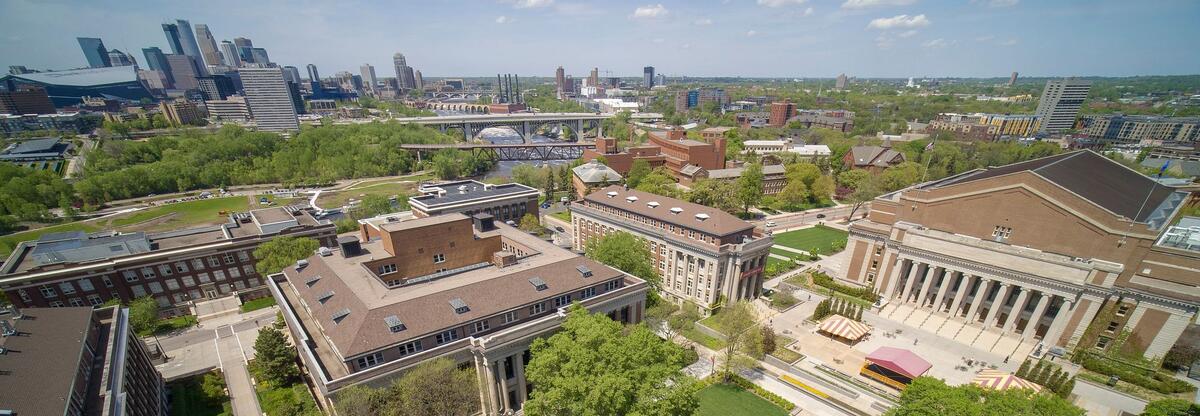


Buried under the riverbed just upstream of the Stone Arch Bridge is a concrete wall three stories tall, over 1,800 feet long and 4 to 6.5 feet thick, driven about 40 feet down into soft sandstone. Built roughly 150 years ago, the so-called "cutoff wall" is what keeps the Mississippi River from eroding the ground beneath St. Anthony Falls and, with it, the region's water supply and downtown infrastructure. For decades it was largely forgotten, until river advocacy groups rediscovered it and pushed for an inspection.
The Minnesota Legislature responded in 2023, allocating $1 million — more than the $750,000 originally requested — for the University to lead a formal risk assessment. The funding push came from state Sens. Bobby Joe Champion and Erin Murphy and Reps. Ginny Klevorn and Sydney Jordan. The state gave the university until June 2025 to finish the work.
A team led by the St. Anthony Falls Laboratory spent the two years combing archival records, running geophysical surveys of the wall's actual condition, and building a reduced-scale physical model at the lab to test failure scenarios. Hennepin County Emergency Management led the accompanying assessment of what a failure would mean for surrounding infrastructure and public safety.
The headline result: researchers found no evidence the wall is at risk of imminent failure. But the study also underscored how little anyone actually knows about it. The wall has been described as "orphaned" infrastructure — no agency is clearly responsible for maintaining it, and until this project, no one was tracking how conditions at the site might be changing over time. River historian John Anfinson's extensive dig through archival documents turned up no clear record of what lifespan the wall's 19th-century builders even intended for it, and researchers say it may be the only structure of its kind anywhere, leaving them with nothing to compare it against.
The upshot from the research team: the lack of imminent danger doesn't mean the wall can go back to being ignored. Researchers say ongoing monitoring and safeguards are needed now that the two-year study window has closed.